Teething Problems: Safe Solutions to Help Your Baby Feel Better
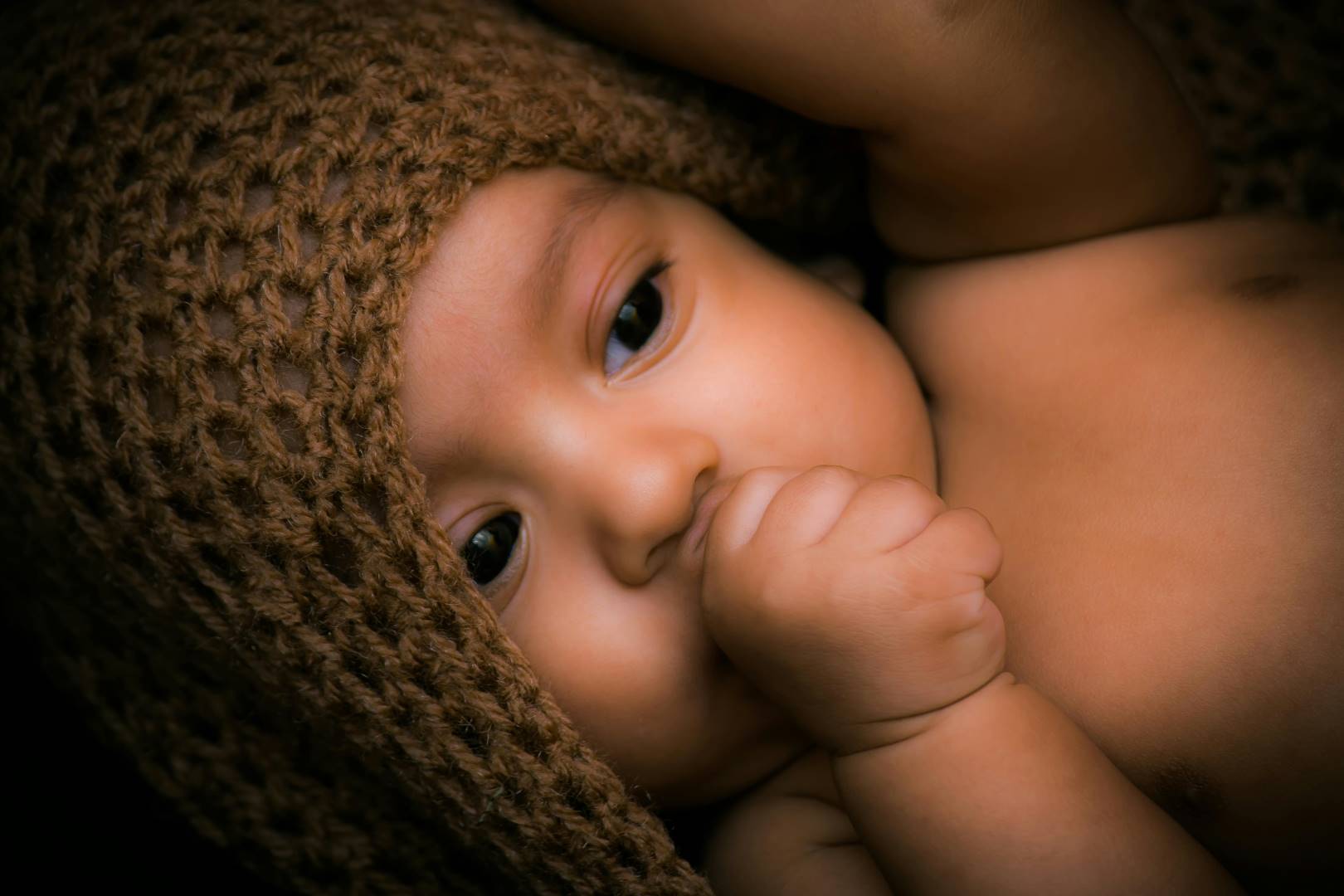
Teething is an exciting milestone in your child’s development, but it can also be a challenging time for both babies and parents. As baby teeth begin to emerge through the gums, it’s common for infants to experience discomfort, fussiness, and changes in their daily routine. Fortunately, there are many safe and effective ways to relieve teething symptoms and keep your baby comfortable. Understanding what is normal—and what isn’t—can help you confidently care for your child during this stage.
What Is Teething?
Teething is the process of baby (primary) teeth breaking through the gums. Most babies begin teething around 6 months of age, although some may start earlier or later. By age 3, most children have all 20 primary teeth. Every child is different, and symptoms can vary from mild to more noticeable.
Common Signs of Teething
Typical teething symptoms include:
- Swollen or tender gums
- Increased drooling
- Chewing on fingers, toys, or other objects
- Mild irritability or fussiness
- Difficulty sleeping
- Decreased appetite for solid foods due to gum tenderness
- Rubbing the cheeks or ears on the same side as the erupting tooth
These symptoms are generally temporary and improve once the tooth breaks through the gum.
Safe Solutions for Teething Pain
Offer a Chilled Teething Ring
A firm teething ring that has been chilled in the refrigerator can help soothe sore gums. Avoid freezing teething rings, as extremely cold items can damage delicate gum tissue.
Gently Massage the Gums
Wash your hands thoroughly and gently rub your baby’s gums with a clean finger for several minutes. The light pressure can provide temporary relief from discomfort.
Use a Cool, Damp Washcloth
Place a clean washcloth in the refrigerator until cool. Allow your baby to chew on the chilled cloth while supervised. This simple home remedy is often very effective.
Offer Age-Appropriate Cold Foods
If your baby has started eating solid foods, chilled foods such as yogurt, applesauce, or pureed fruits may help soothe irritated gums. Always choose foods appropriate for your child’s age and supervise meals carefully.
Wipe Away Excess Drool
Frequent drooling can irritate the skin around the mouth, chin, and neck. Use a soft cloth to gently pat the skin dry and apply a baby-safe moisturizing barrier cream if irritation develops.
Maintain Good Oral Hygiene
Even before all the teeth have erupted, oral hygiene is important.
- Wipe your baby’s gums with a clean, damp cloth after feedings.
- Begin brushing as soon as the first tooth appears using a soft-bristled infant toothbrush.
- Use a tiny smear of fluoride toothpaste (about the size of a grain of rice) for children younger than 3 years old.
Healthy habits started early help prevent cavities.
What to Avoid During Teething
Not every teething remedy is considered safe. Parents should avoid:
Teething Gels with Benzocaine
The U.S. Food and Drug Administration (FDA) advises against using benzocaine-containing teething products in young children because of the risk of a rare but serious blood disorder.
Homeopathic Teething Tablets
Some homeopathic teething tablets and gels have been associated with inconsistent ingredients and potential safety concerns. Always consult your child’s healthcare provider before using these products.
Amber Teething Necklaces
Amber necklaces, bracelets, and anklets are not recommended because they pose choking and strangulation hazards. There is also no reliable scientific evidence that they relieve teething pain.
Frozen Foods or Ice Cubes
Very hard or frozen items may injure your baby’s gums or present a choking risk.
Does Teething Cause Fever?
Many parents wonder whether teething causes fever. Current research suggests that teething may cause a slight increase in body temperature but does not cause a true fever (100.4°F/38°C or higher), diarrhea, vomiting, severe cough, or significant illness. If your baby develops a true fever or appears sick, another illness may be responsible and should be evaluated by your pediatrician.
When to Contact Your Pediatrician
Contact your child’s physician if your baby has:
- A fever of 100.4°F (38°C) or higher
- Persistent diarrhea or vomiting
- Refusal to eat or drink for an extended period
- Excessive irritability that cannot be comforted
- Bleeding or significant swelling of the gums
- Difficulty swallowing or breathing
- Symptoms lasting much longer than expected
These symptoms are generally not caused by teething alone.
Frequently Asked Questions
When do babies usually start teething?
Most babies begin teething around 6 months of age, although it is normal for the first tooth to appear anytime between about 4 and 12 months.
How long does teething pain last?
Discomfort usually occurs for several days before and after a tooth erupts. Symptoms often improve once the tooth breaks through the gums.
Can I give my baby medicine for teething pain?
If your baby’s discomfort is significant, your pediatrician may recommend an age-appropriate pain reliever. Always follow your healthcare provider’s dosing instructions and avoid giving medication without guidance.
When should my child first visit the dentists?
The American Academy of Pediatric Dentistry recommends scheduling your child’s first dental visit by their first birthday or within six months after the first tooth appears.
Helping Your Baby Through Teething
Teething is a normal part of childhood development, and while it can be uncomfortable, the symptoms are usually temporary. Simple measures such as chilled teething rings, gentle gum massage, and good oral hygiene can provide relief while supporting healthy oral development.
If you have concerns about your baby’s teething symptoms or questions about caring for newly erupted teeth, call our office at (703) 455-9683 to schedule an appointment for personalized guidance and preventive care.